Services

Homepage / Services

All the expertise you need, in one place.

Professional Surveying Services You Can Rely On

We deliver accurate, on-time surveying solutions using trusted methods and advanced technology—tailored to meet the needs of every project.

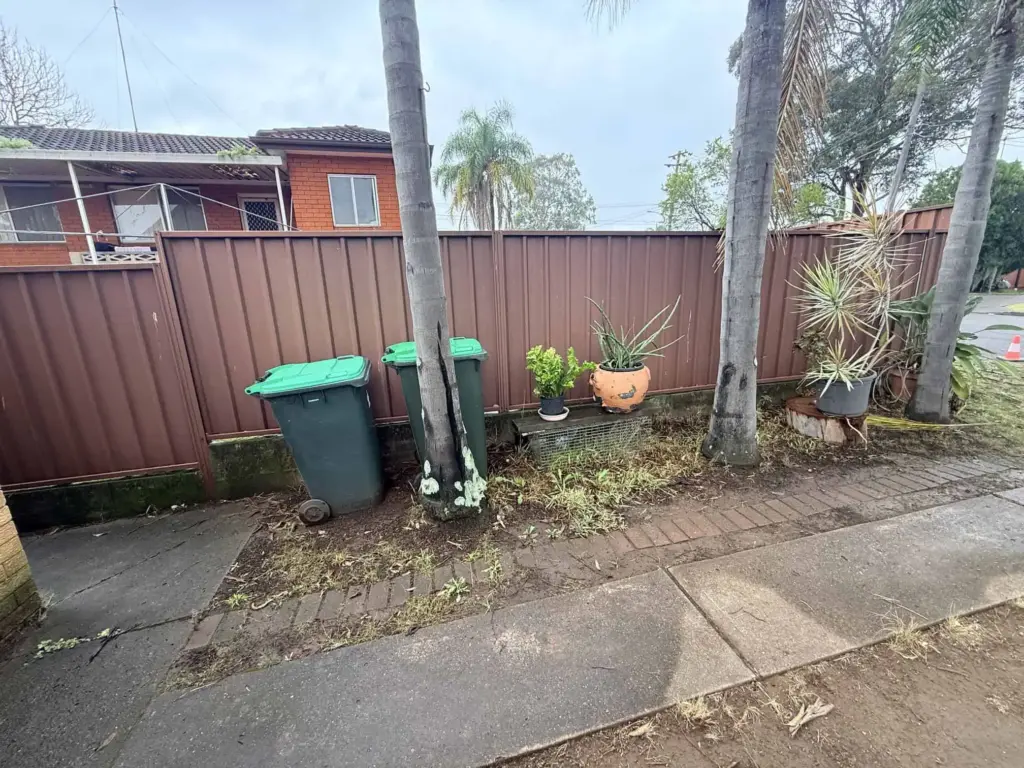
A Boundary Identification Survey is undertaken to accurately determine and confirm the legal boundaries of a property. This survey identifies the position of boundary lines, corners, fences, buildings, and other relevant site features in relation to the registered land title and deposited plan.

Boundary Identification Surveys are commonly required before constructing fences, retaining walls, extensions, new buildings, or any works located near a property boundary. They are also useful when purchasing land, resolving boundary concerns, or confirming whether existing structures are located within the correct property limits.

The purpose of a Boundary Identification Survey is to provide property owners, builders, architects, developers, and councils with clear and reliable boundary information. It helps reduce the risk of encroachment, neighbour disputes, design errors, and construction issues.

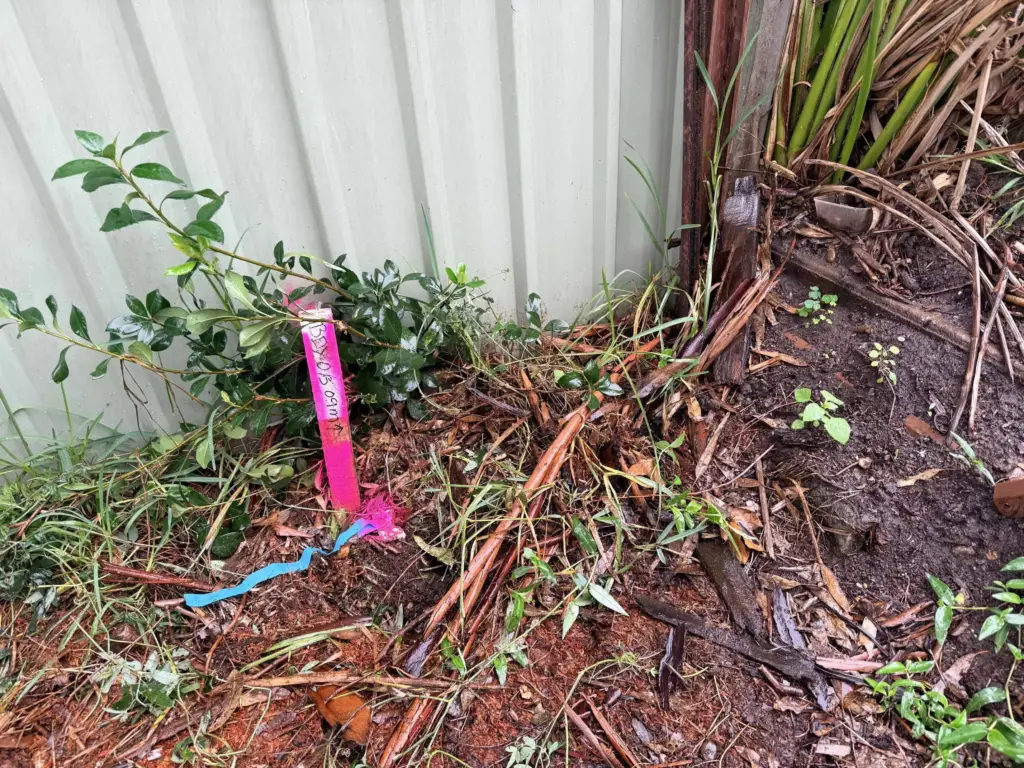
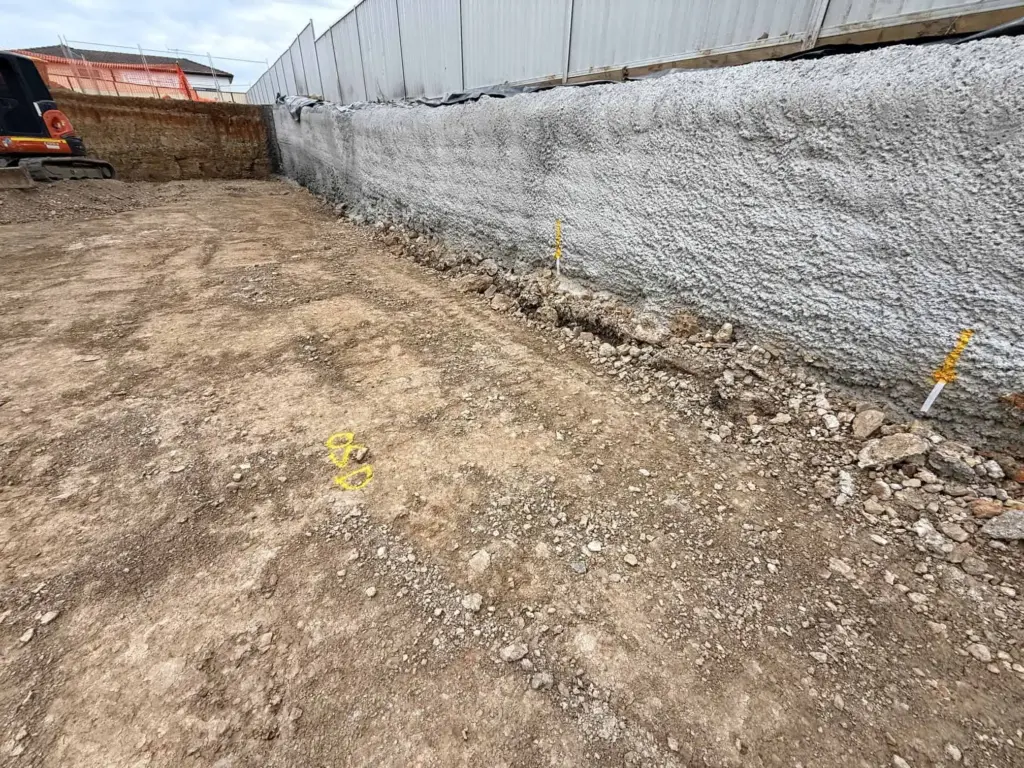
Boundary Set-Out, also known as Boundary Marking, is a surveying service used to physically mark the legal boundaries or corner points of a property on site. This process allows property owners, builders, fencing contractors, and developers to clearly identify the correct location of boundary lines before construction or site works commence.

Boundary Set-Out is commonly required before constructing fences, retaining walls, extensions, new buildings, landscaping works, or any structure located close to a property boundary. Accurate boundary marking helps ensure that proposed works are positioned correctly within the property and do not encroach onto neighbouring land.

During the survey, a surveyor determines the boundary position using registered survey information, title documents, deposited plans, survey marks, and site measurements. The boundary corners or lines are then marked on site using appropriate markers such as pegs, nails, stakes, or paint marks, depending on the site conditions and project requirements.

A Detail and Contour Survey is undertaken to accurately measure and represent the existing features, levels, and physical conditions of a property or development site. This survey provides essential information required for planning, architectural design, engineering design, drainage design, landscape design, and council approval.

A Detail and Contour Survey typically records site features such as buildings, fences, trees, driveways, retaining walls, kerbs, services, drainage pits, visible utilities, ground levels, and adjoining road or footpath information. Contour lines and spot levels are also shown to represent the slope and shape of the land.

This type of survey is commonly required before designing a new dwelling, extension, subdivision, driveway, retaining wall, or other development works. It allows architects, engineers, designers, builders, and councils to understand the existing site conditions and prepare accurate design documentation.

A Building Set-Out Survey is undertaken to accurately transfer the approved design or construction plans onto the site. This process establishes the correct position of the proposed building, structure, or construction works in accordance with the approved architectural, engineering, and site plans.

Building Set-Out is commonly required before construction begins to ensure that footings, walls, columns, slabs, and other structural elements are built in the correct location and at the required levels. It is an essential step in reducing construction errors, boundary encroachments, and compliance issues.

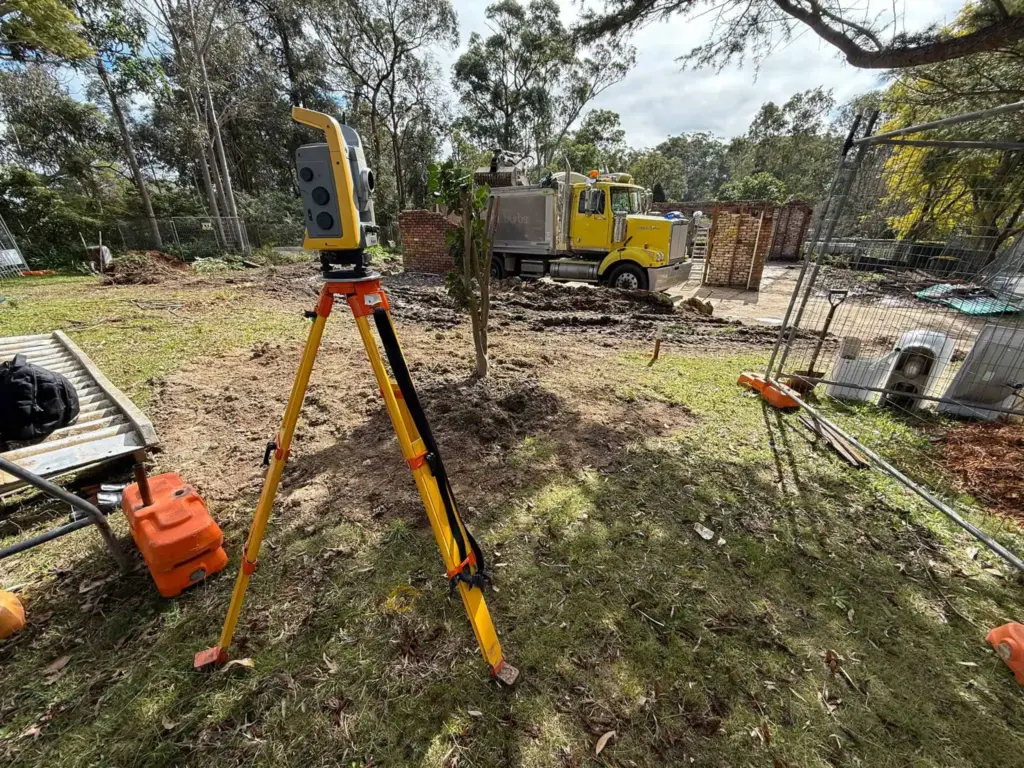
During the set-out process, the surveyor uses the approved plans, site control, boundary information, and precise surveying equipment to mark the required building positions on site. These marks may include offsets, grid lines, corner points, reference marks, and level information to assist builders and contractors during construction.

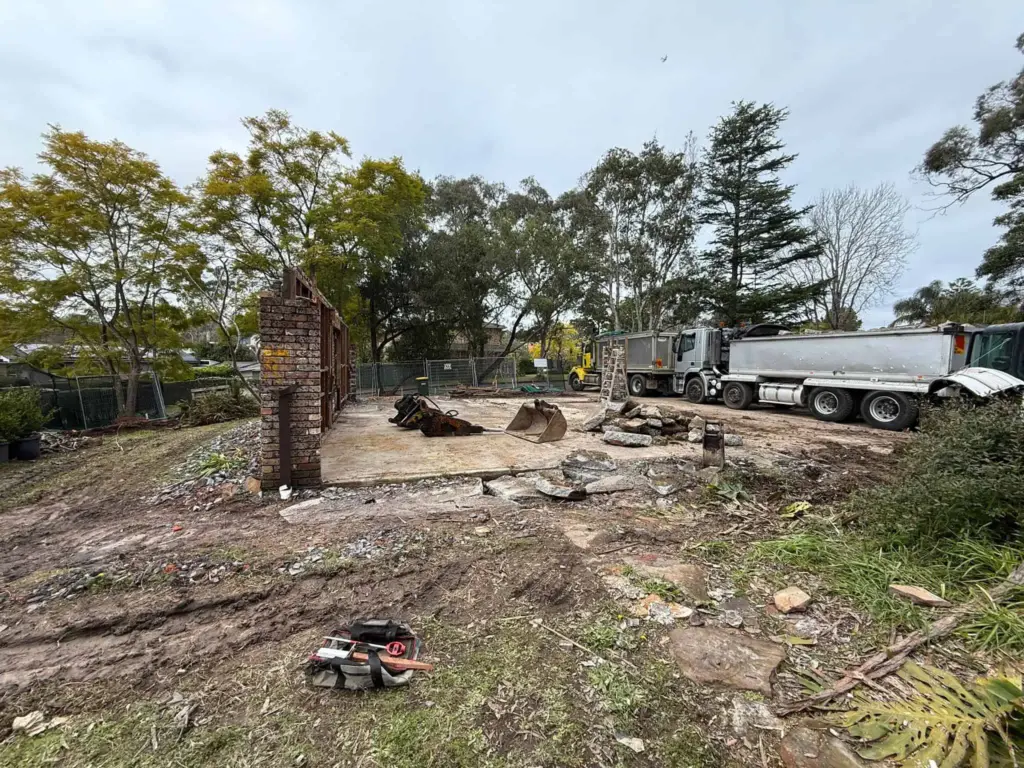
A Construction Set-Out Survey is undertaken to accurately mark the position and level of proposed construction works on site in accordance with approved design, architectural, engineering, or construction plans. It provides builders and contractors with the physical reference points required to construct the project in the correct location and to the required specifications.

Construction Set-Out is commonly required for buildings, footings, slabs, columns, retaining walls, drainage, roads, kerbs, driveways, services, and other civil or structural works. Accurate set-out helps ensure that construction elements are positioned correctly in relation to boundaries, design coordinates, site levels, and existing site features.

During the set-out process, the surveyor uses survey control, design information, and precise surveying equipment to establish marks, offsets, grid lines, levels, and reference points on site. These marks guide the construction team and assist in maintaining accuracy throughout the building or civil works process.

An Identification Survey is undertaken to determine the position of existing buildings, structures, fences, and improvements in relation to the legal boundaries of a property. It provides clear information about whether structures are located within the property boundaries and whether there are any encroachments affecting the land.

Identification Surveys are commonly required when buying or selling a property, refinancing, preparing legal documents, resolving boundary concerns, or confirming the relationship between existing structures and the land title. They are also useful where banks, solicitors, conveyancers, councils, or certifiers require confirmation of the property’s boundary position and improvements.

The survey typically identifies the property boundaries, building position, fences, easements, visible encroachments, and other relevant site features. The final plan or report provides a reliable record of the property’s existing conditions and assists clients in making informed decisions.

An As-Built Survey is prepared to record the actual position, level, and details of completed construction works. It provides accurate information showing how the completed works have been constructed on site compared with the approved design, engineering plans, or council requirements.

This type of survey is commonly required at the completion of building, civil, drainage, driveway, retaining wall, and infrastructure works. It may include the location of structures, finished floor levels, stormwater drainage, pits, pipes, retaining walls, driveways, kerbs, and other constructed features.

Geoland’s Surveyor prepares accurate and clear As-Built Survey Reports to support project completion,

Testimonial

Hear From Those Who’ve Built with Confidence

Lorem ipsum dolor sit amet, consectetur adipiscing elit. Ut elit tellus, luctus nec ullamcorper mattis, pulvinar dapibus leo.

Michael R.
    Michael R.

    Project Manager

    "Their accuracy and attention to detail were impressive. Thanks to their survey, our construction project started smoothly and stayed on track."

    Laura T.
      Laura T.

      Property Developer

      "We needed urgent boundary data, and they delivered faster than expected. Professional, responsive, and very easy to work with."

      Daniel K.
        Daniel K.

        Civil Engineer

        "I've worked with many surveyors, but this team stands out. Clear communication, reliable results, and modern tools that made all the difference."

        Emily S.
          Emily S.

          Architect

          "The topographic maps were incredibly detailed and accurate. Their work helped us avoid design errors and saved time during planning."

          Testimonial

          Hear From Those Who’ve Built with Confidence

          Lorem ipsum dolor sit amet, consectetur adipiscing elit. Ut elit tellus, luctus nec ullamcorper mattis, pulvinar dapibus leo.

          Michael R.
            Michael R.

            Project Manager

            "Their accuracy and attention to detail were impressive. Thanks to their survey, our construction project started smoothly and stayed on track."

            Laura T.
              Laura T.

              Property Developer

              "We needed urgent boundary data, and they delivered faster than expected. Professional, responsive, and very easy to work with."

              Daniel K.
                Daniel K.

                Civil Engineer

                "I've worked with many surveyors, but this team stands out. Clear communication, reliable results, and modern tools that made all the difference."

                Emily S.
                  Emily S.

                  Architect

                  "The topographic maps were incredibly detailed and accurate. Their work helped us avoid design errors and saved time during planning."

                  Let's Get in touch

                  Success

                  Frequently Asked Questions

                  Got Questions? We’ve Got Answers

                  What types of land surveying services do you offer?

                  We provide a wide range of services including boundary and property surveys, topographic mapping, construction staking, land subdivision, as-built surveys, and GNSS/GPS-based data collection. Our services are tailored to meet the needs of developers, engineers, architects, and property owners.

                  The time required depends on the size and complexity of the property. A simple residential boundary survey can take 1–3 days, while larger or more technical surveys may take a week or more. We always strive to deliver accurate results within a reasonable timeframe.

                  A land survey ensures that property boundaries are clearly defined and helps prevent legal disputes or costly construction errors. It provides accurate data for site planning, design, and regulatory compliance, ensuring your project begins on solid ground.

                  We use modern GNSS (Global Navigation Satellite System) receivers, total stations, drones for aerial mapping, and advanced CAD/GIS software to deliver precise and reliable surveying results. Our team stays up to date with the latest surveying innovations.

                  Yes, especially if the previous survey is outdated or if there have been changes to the property (e.g., new construction, land division). Local authorities or lenders may also require an updated survey for permitting, development, or legal purposes.